





Hardware Design System Multimodal Design Complex System
During early Flex 3 exploration, I led architectural direction-setting, evaluating multiple product architecture options against user needs, technical constraints, and design resources. I defined clear tradeoffs for each approach and guided the team to align on the final architecture that shipped.
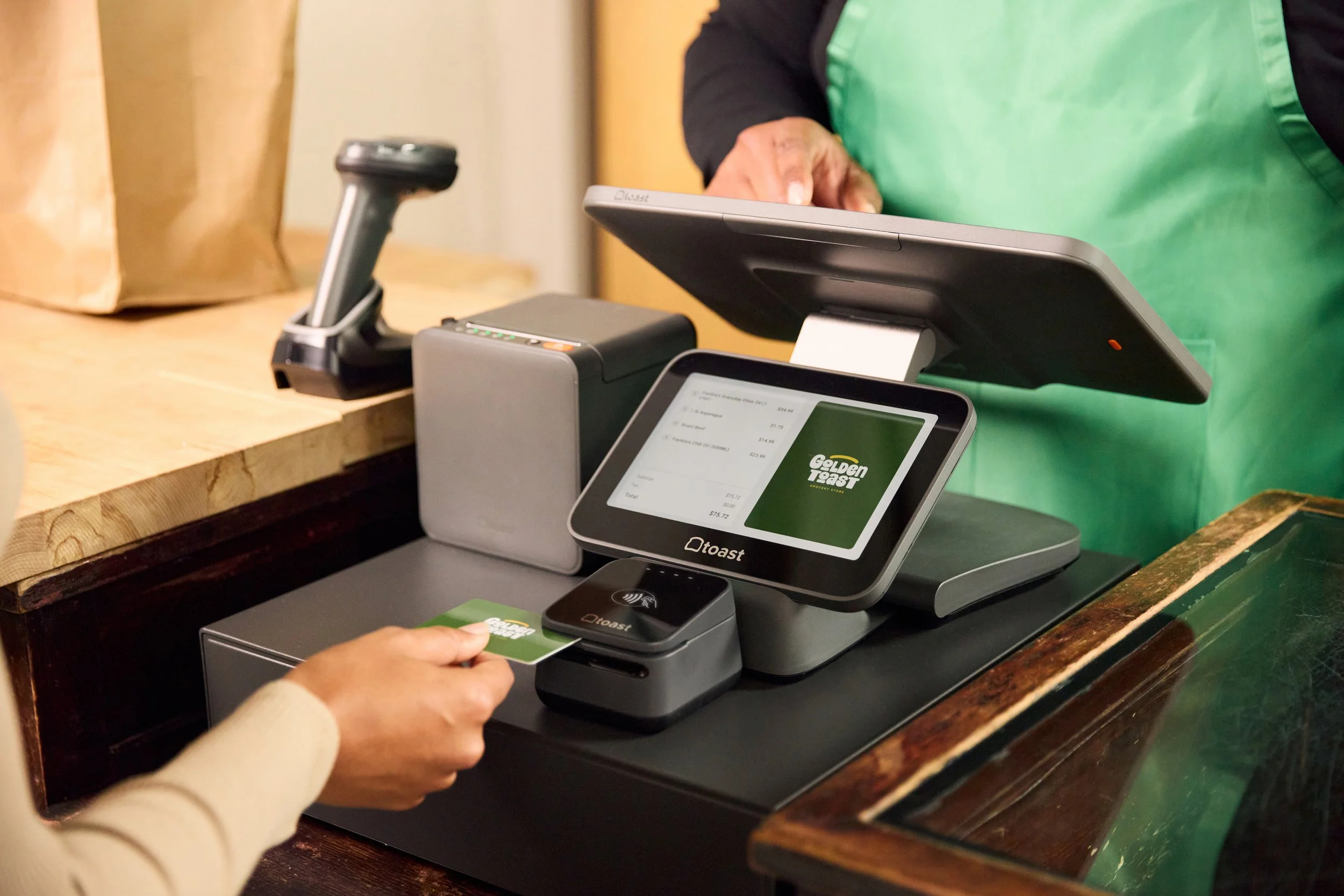
Flex 3 represents a meaningful step forward for Toast hardware, bringing improvements across visual refinement, component selection, and end-to-end user experience. The overall form is more cohesive and modern, with a clearer product hierarchy that feels intentional in both front-of-house and back-of-house environments. Component choices were upgraded to better support durability, thermal performance, and daily operational reliability, while interaction details—such as display transitions, lighting behavior, and physical affordances—were refined to feel more intuitive and confident in use. Together, these changes elevate Flex 3 from a functional POS device into a more polished, system-level product experience.
I played a key role in shaping Flex 3 from a hardware UX and system-architecture perspective.
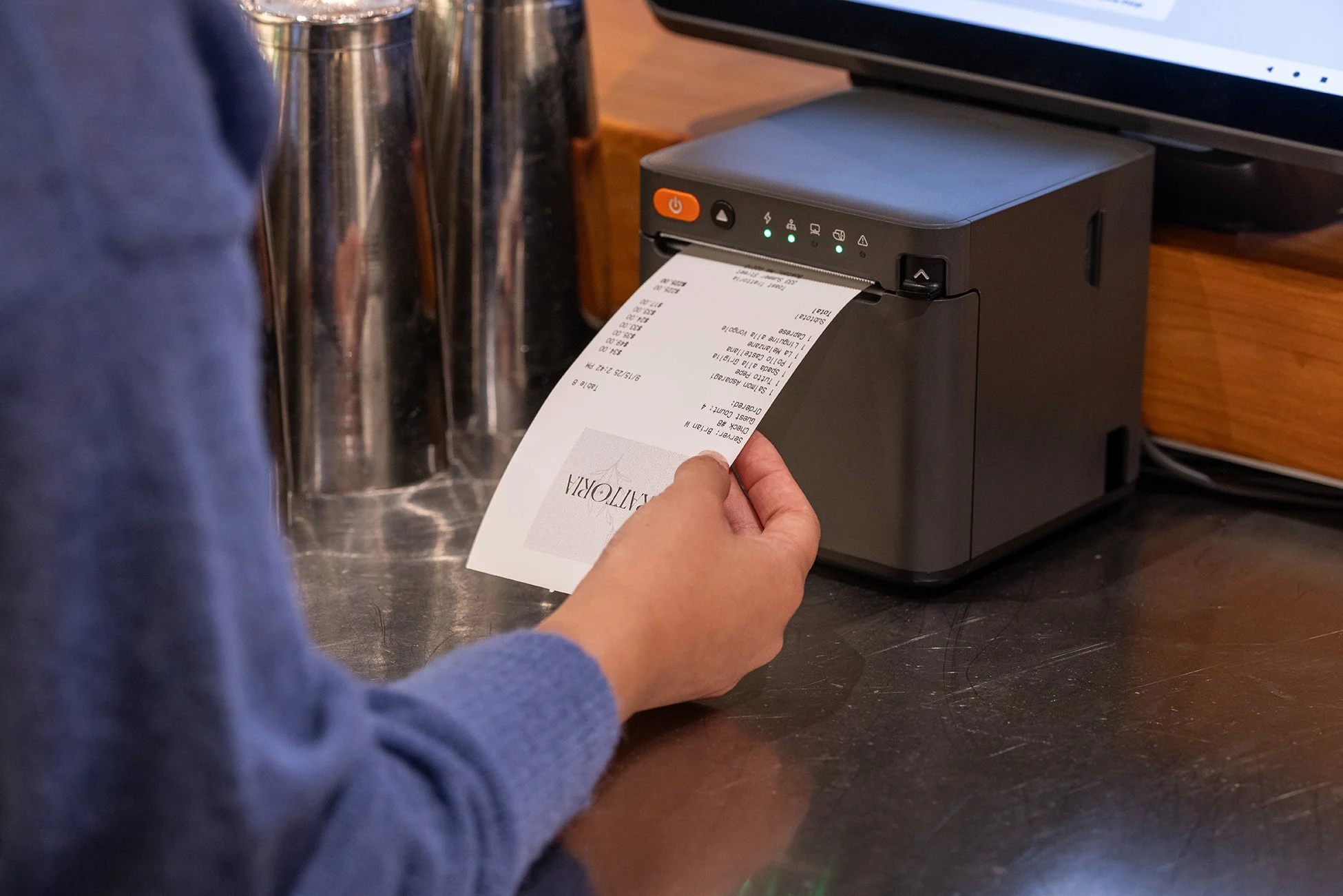
My contributions included re-architecting the core products such as Terminal and Guest Display relationship, designing the cable-management compartment in the terminal base, and improving the printer hub’s internal routing and labeling to support clearer onboarding and long-term maintenance. I focused on reducing installation friction, visual clutter, and cognitive load by treating physical constraints—like cables, ports, and device roles—as core UX problems. Beyond individual components, I helped define how Flex 3 works as part of a larger hardware ecosystem, ensuring the product not only looks better, but is easier to install, understand, and operate at scale.
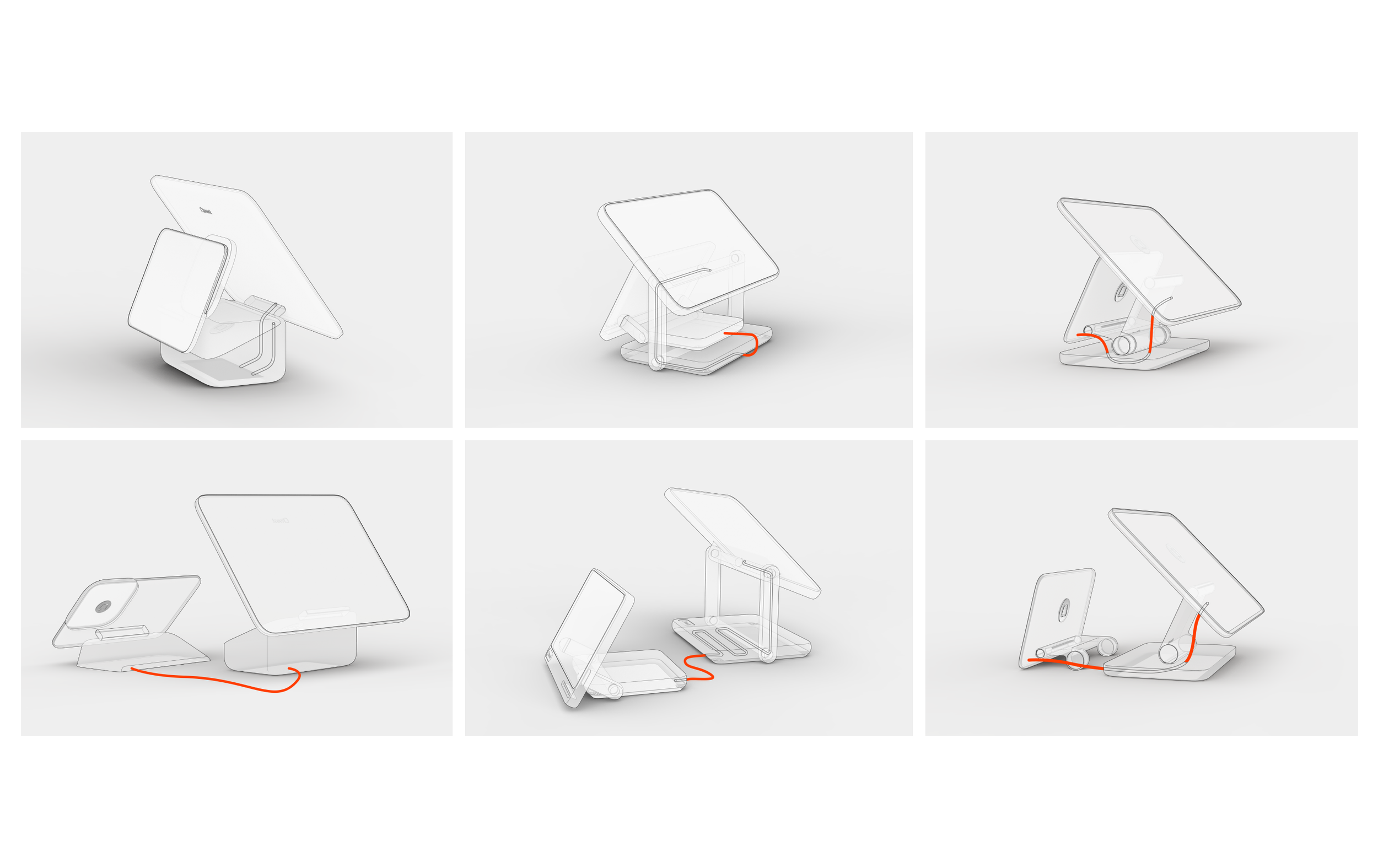
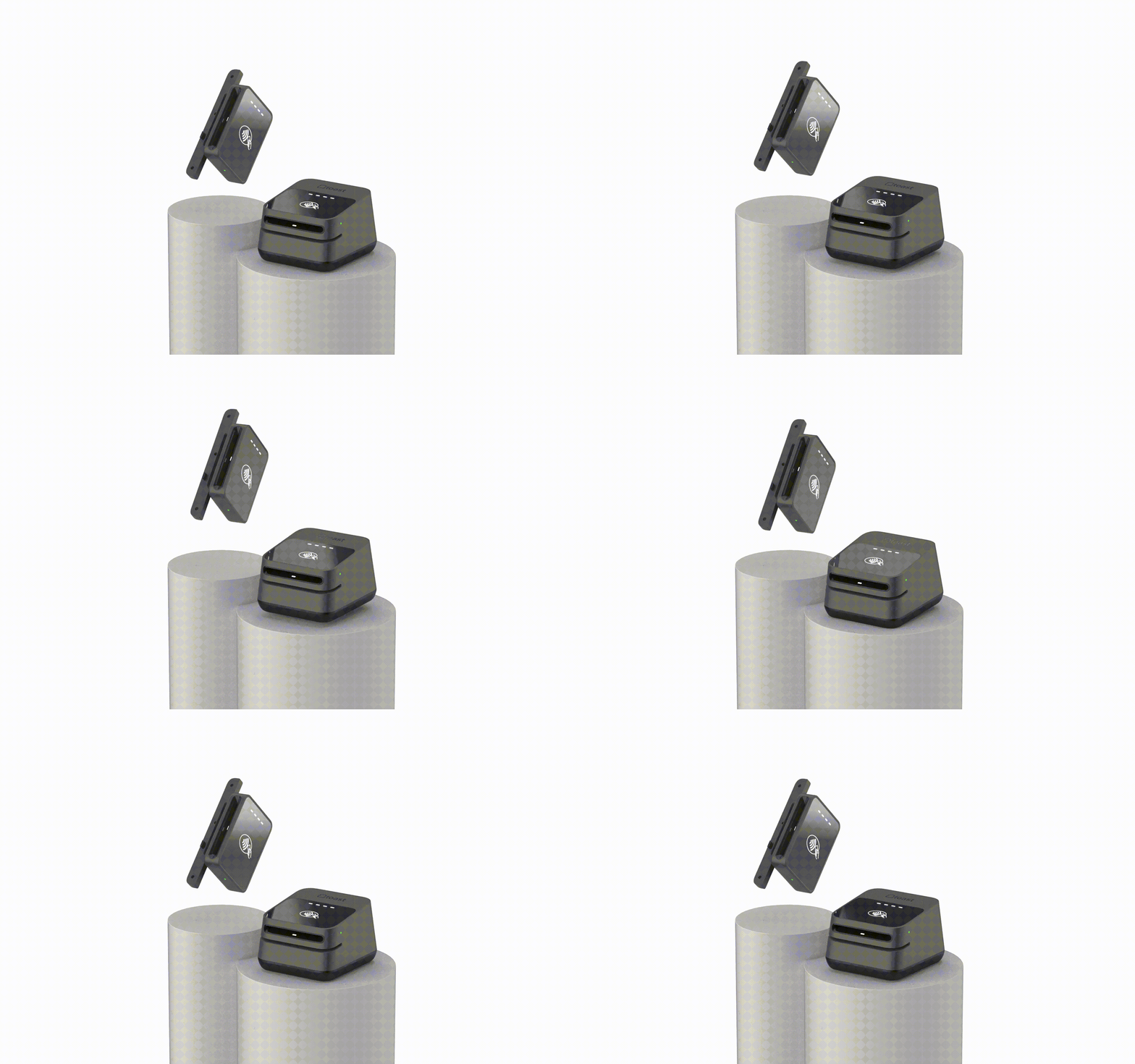
Hardware Architecture Re-architecting the Terminal and Guest Display created an opportunity to rethink the hardware system as an integrated experience. I designed a dedicated cable-management compartment within the Flex 3 terminal base to address one of the most common physical pain points in installation and daily use. The design gives operators flexibility to route and organize cables based on their environment, reducing visual clutter and setup friction.
Supporting System Design The Flex 3 Hardware was also redesigned with expanded internal space for cable routing. Clear labeling and iconography that are consistent with Toast Design System guide users through onboarding and support easier troubleshooting over time, improving both first-time setup and long-term maintainability.
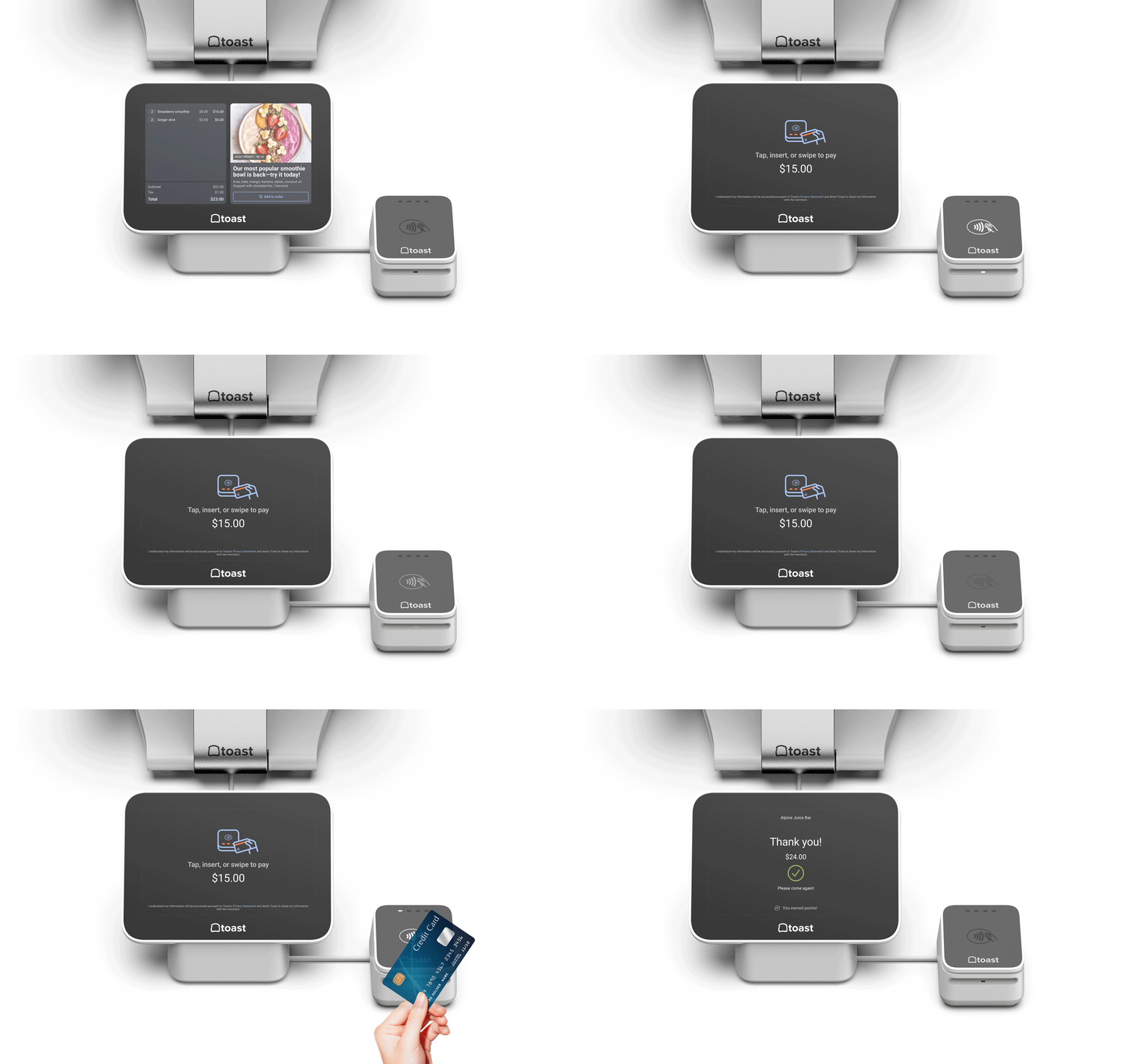
Interaction Friction Improvements Improved end-to-end interaction friction across the ecosystem, including loyalty payments and card reader interfaces, to create a more seamless and consistent user experience.
I defined product-specific cable management and routing strategies based on distinct use cases, reducing visual clutter while maintaining functional clarity. Paired with improved on-product labeling built from the Toast Design System, these decisions created a more cohesive, intuitive hardware experience across the ecosystem.
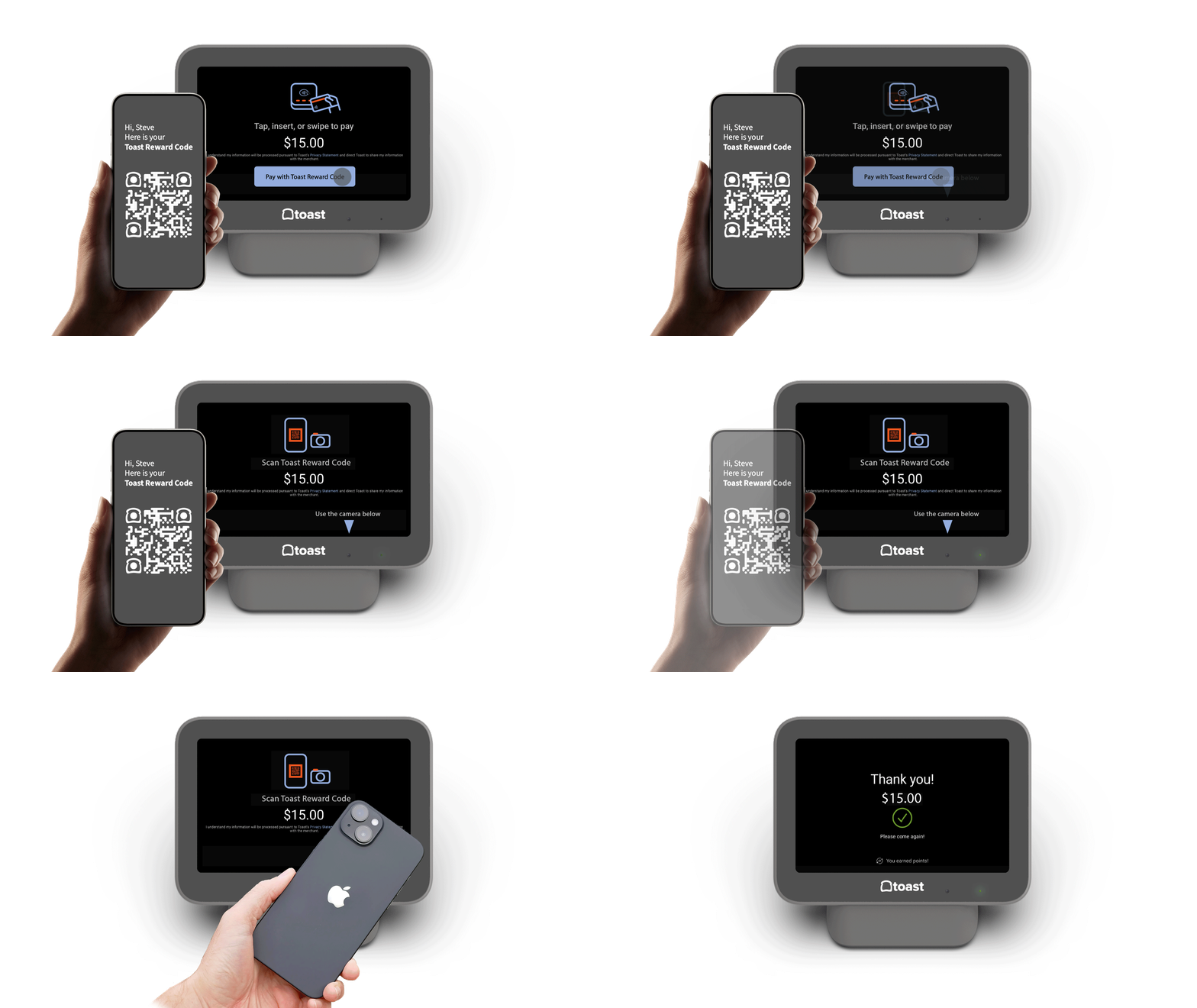
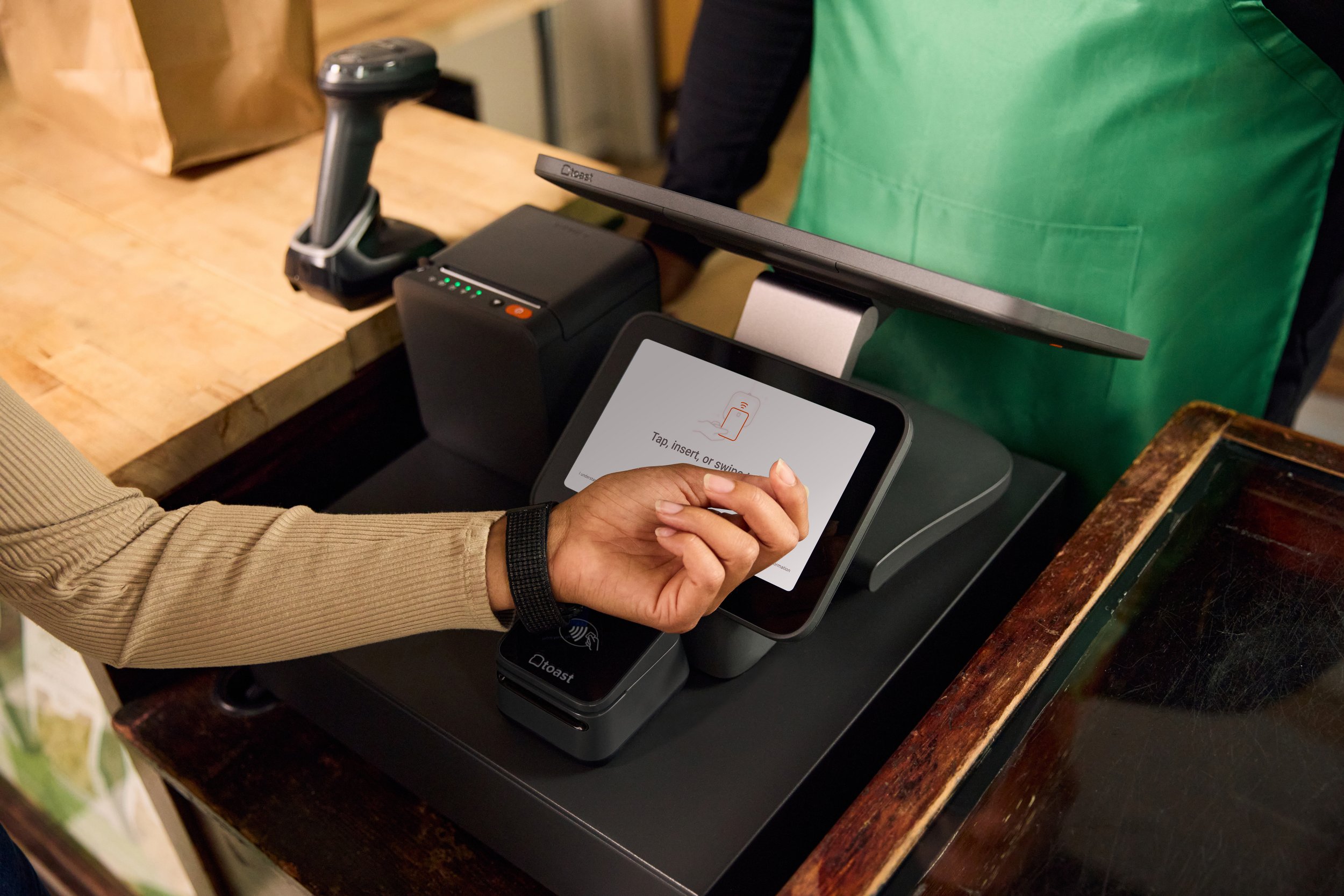
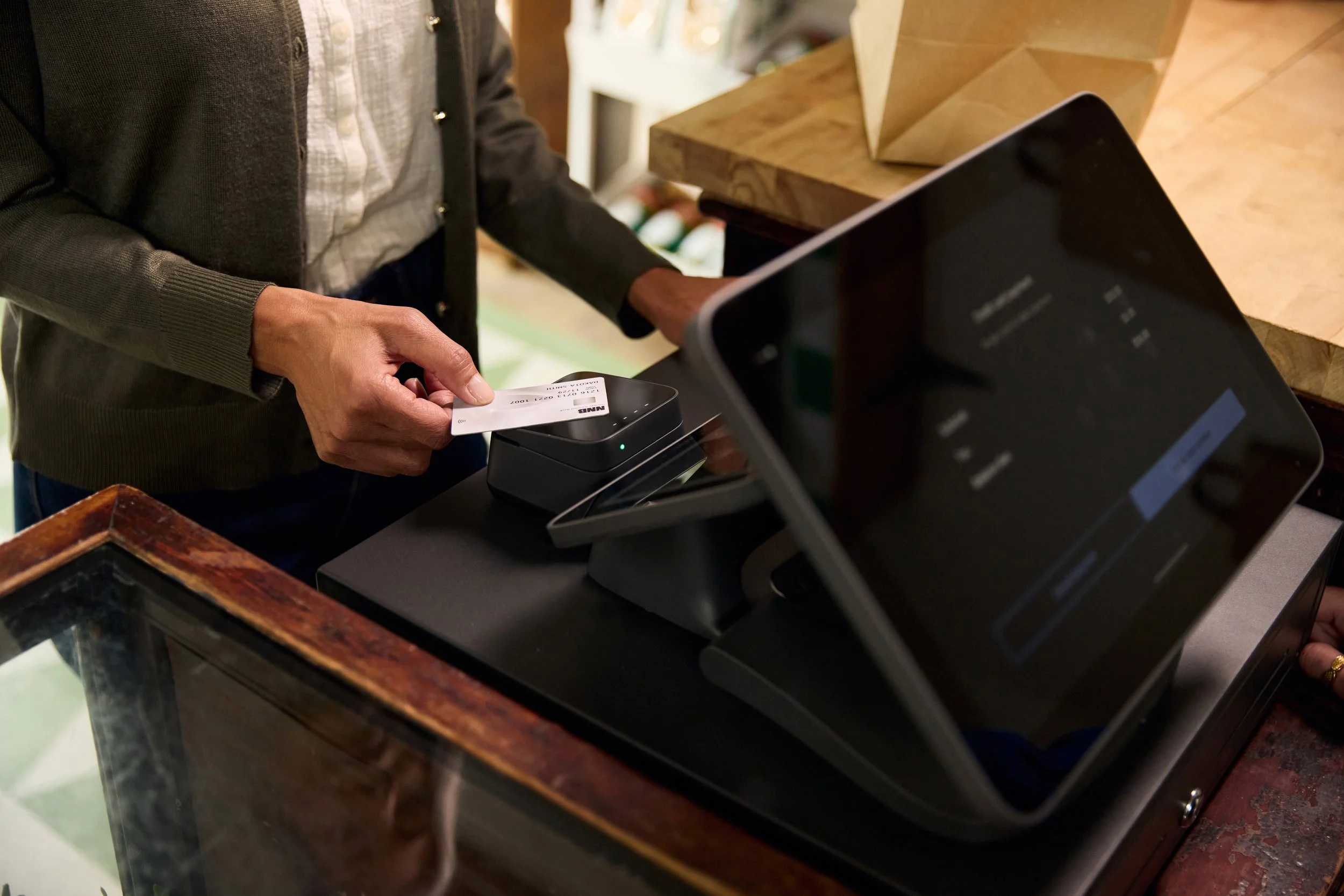
To improve the guest experience, I designed the QR-code scan-to-pay flow, enabling Toast Loyalty customers to complete payment seamlessly on their personal devices. This approach increases interaction efficiency while reducing friction at checkout.
With earlier hardware, servers often had to step in to guide customers through the payment process. The new design introduces a dedicated LED payment animation that clearly communicates the “time to pay” moment, reducing the need for intervention and enhancing the interaction.
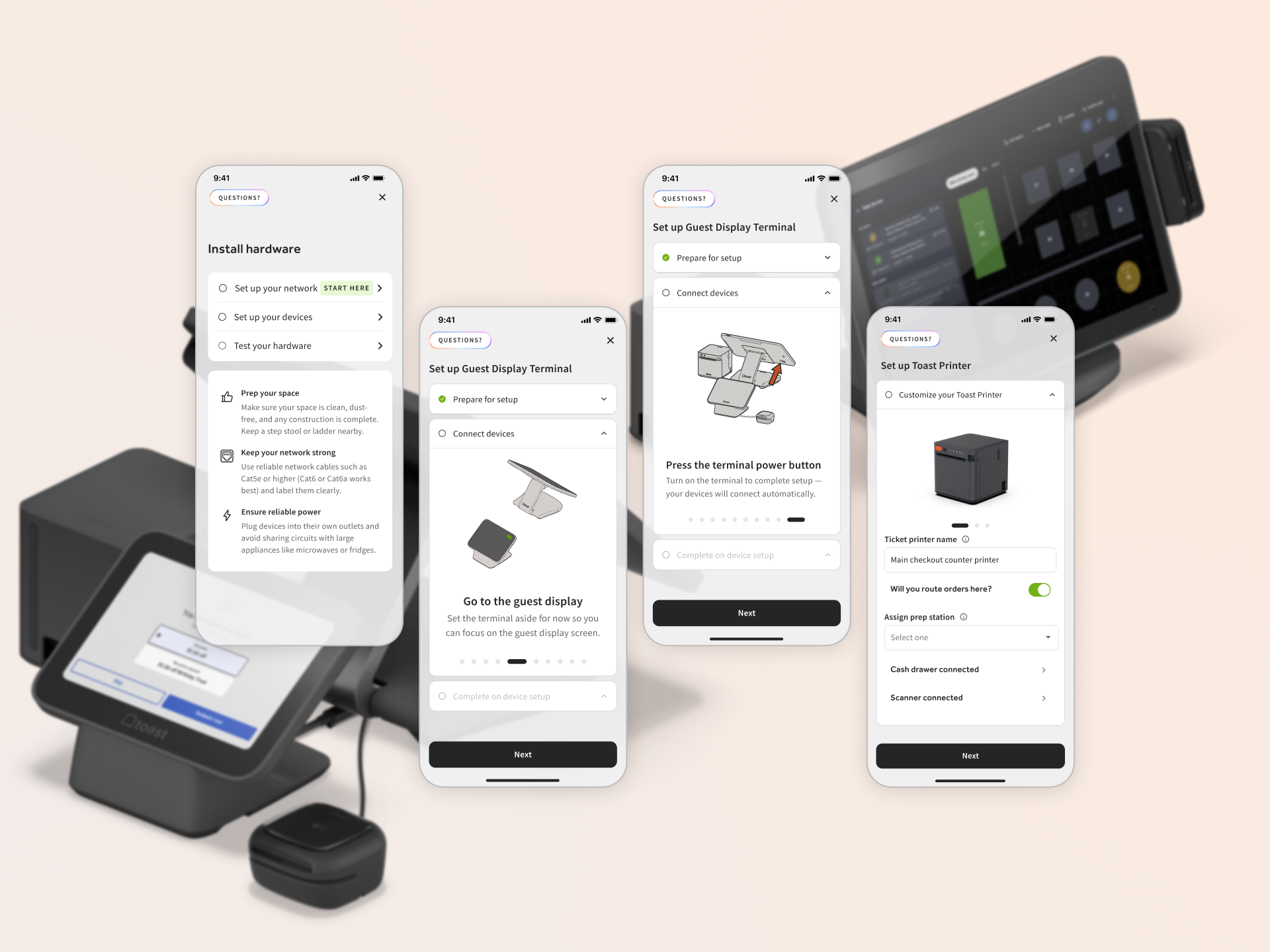
I owned the end-to-end hardware onboarding system for Toast Flex 3.
Check out Toast Now Onboarding
The App leads the experience from early readiness definition to self-serve setup and activation. I drive and partner closely with Product Marketing, UX Research, Product Management, and Engineering to connect pre-purchase expectations, physical installation, and digital account activation into one coherent first-use experience.
My goal was to help restaurant owners build confidence and successfully activate from Day 0, without depending on live support.
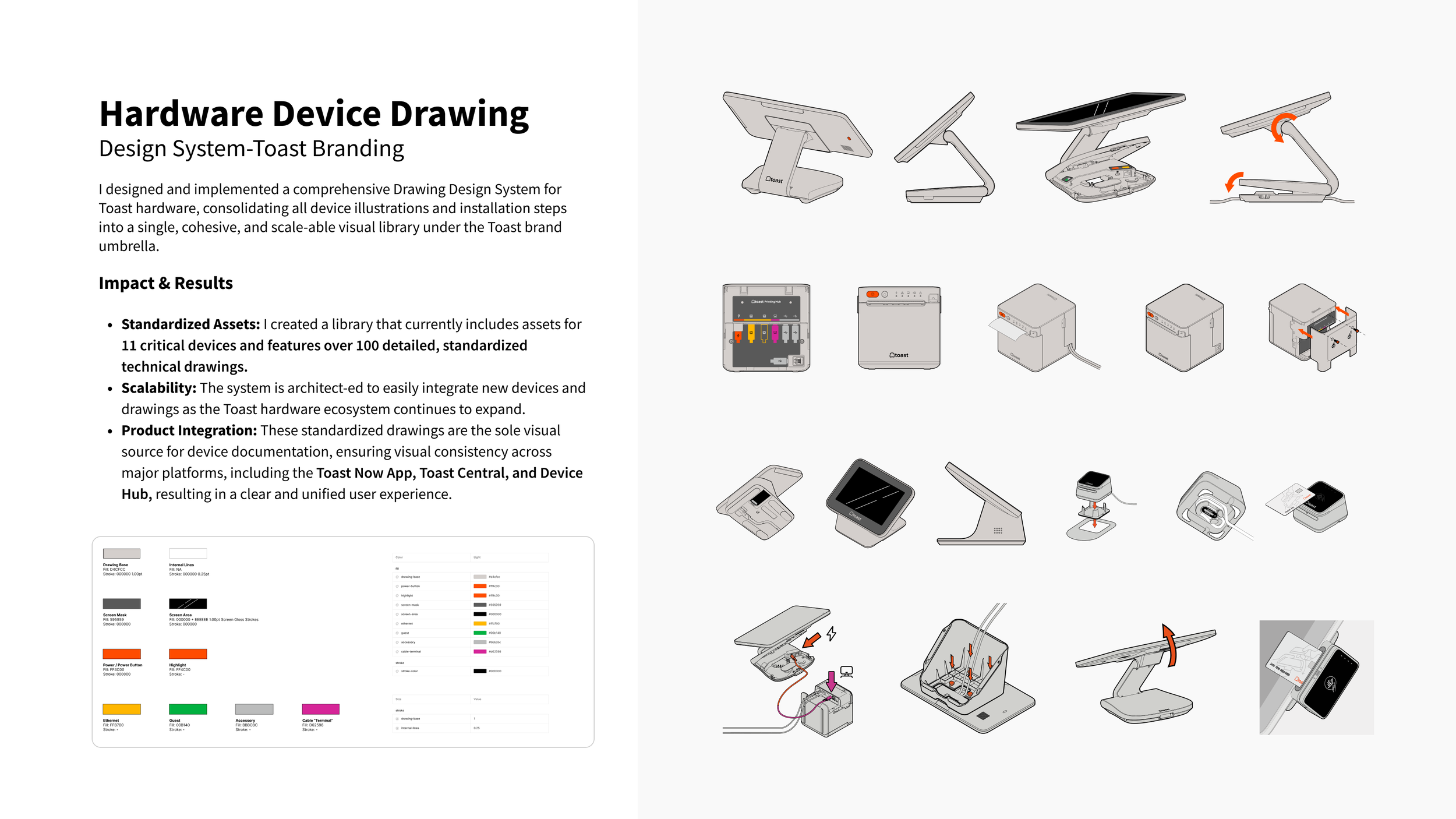
I collaborated closely with Marketing, Branding, and Enablement partners to create a cohesive hardware visual system — including hardware drawings and supporting assets — that scaled across onboarding, troubleshooting, and support documentation.
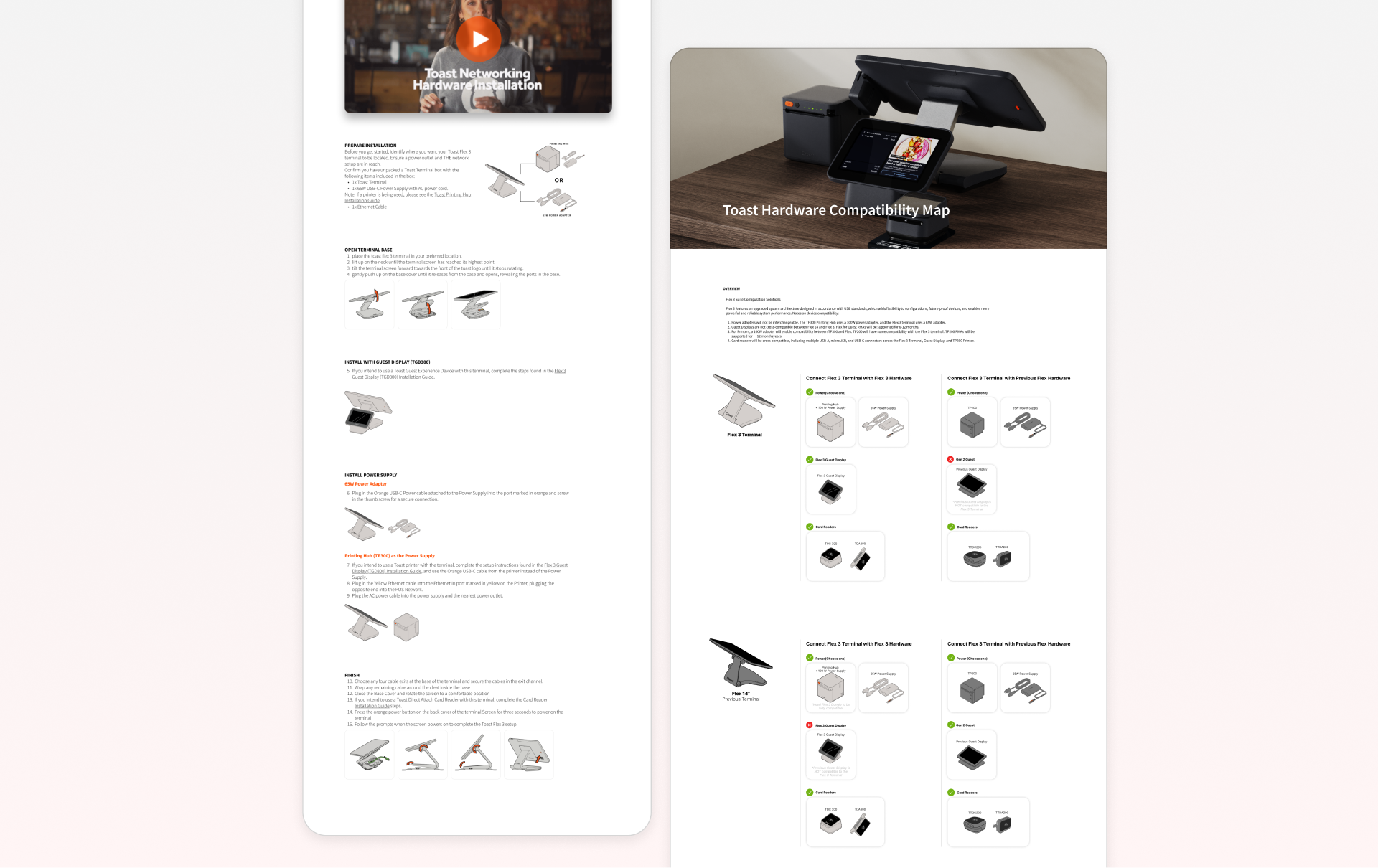
I defined the layout and information hierarchy for help-platform articles, making deliberate design decisions to support fast scanning and comprehension. This framework enabled the Enablement team to efficiently create and maintain onboarding and support content, ensuring consistent guidance across digital, physical, and help-center touchpoints.
After a user places an order, it often requires site readiness before the actual onboarding day, especially for enterprise customers.
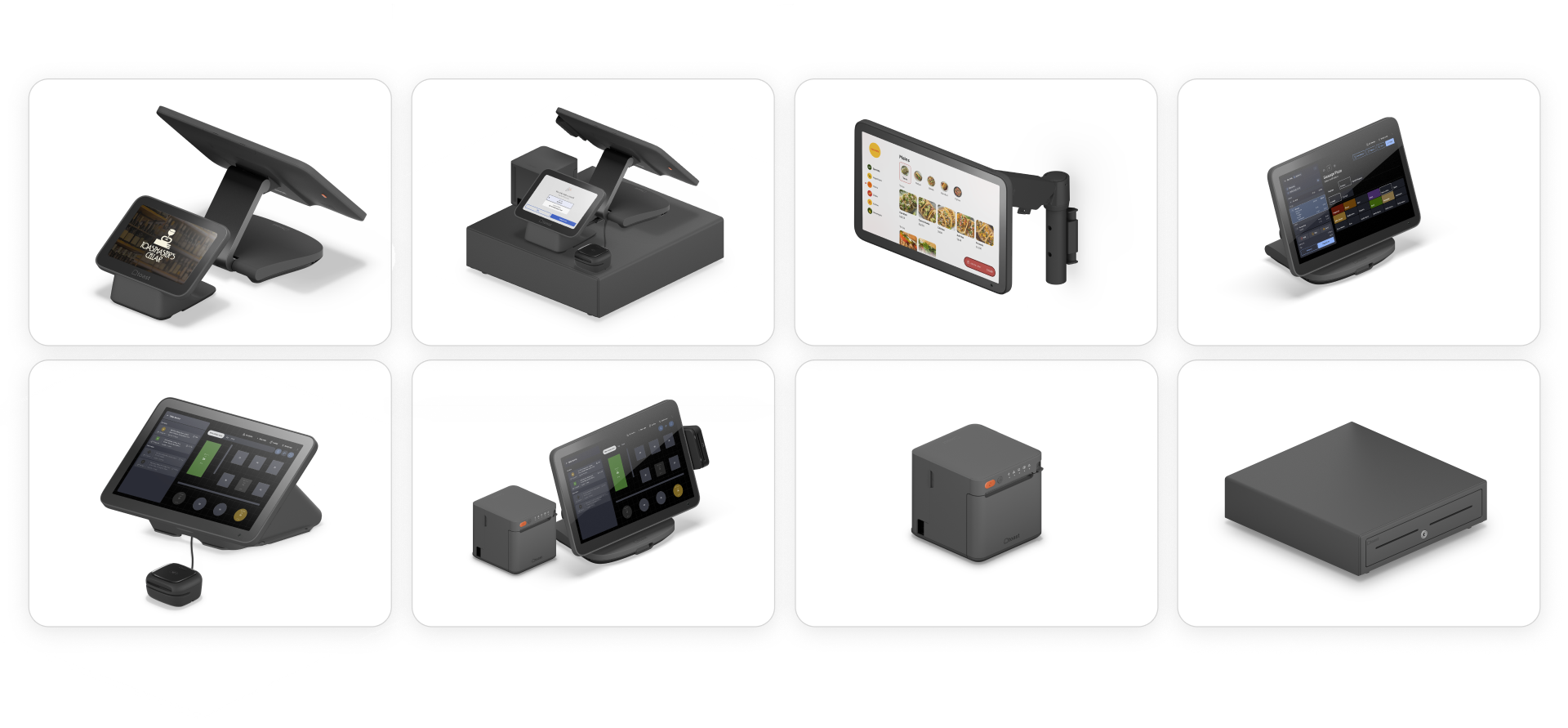
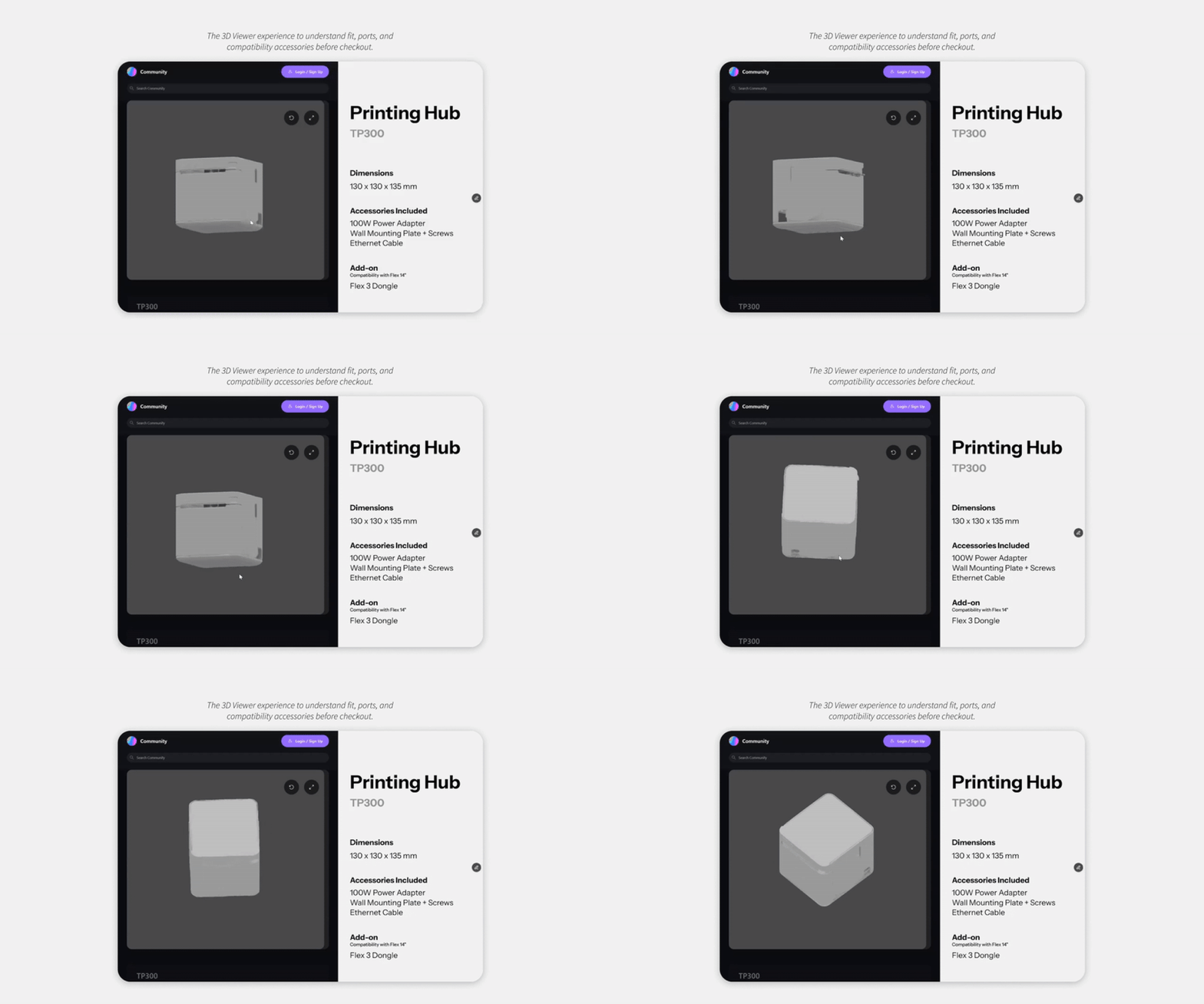
To improve pre-order clarity for enterprise customers, I led a collaboration with the marketing team to explore a 3D preview experience. This prototype captures early information-architecture thinking for how hardware systems could be presented and understood.
Try It On Framer